Thoughtfully farmed. Patiently crafted.

“Is it worth visiting wine country in winter?” It’s a question we hear often from people planning trips between December and February. The concern is understandable – wine country has a reputation as a warm-weather destination, and many assume the experience diminishes when temperatures drop and vines go dormant.
The truth? Winter might actually be the best time to visit Sebastopol and the Russian River Valley, especially if you value intimate experiences over Instagram-perfect weather, genuine conversations with winemakers over crowds, and understanding what wine truly is over simply tasting it.
As one of the pioneering families in Sebastopol Hills, we’ve watched thousands of visitors experience our estate across every season. Those who visit in winter often tell us it was their favorite wine country trip – not despite the season, but because of it. Here’s what you can actually expect when you visit Sebastopol wineries during the quiet season.
Why Winter Wine Tasting is Different (In the Best Way)
Let’s address the elephant in the room: yes, winter wine country looks and feels different than summer. But different doesn’t mean lesser – it means more intimate, more authentic, and often more memorable.
Smaller Crowds, Deeper Experiences
The single biggest advantage of winter wine tasting is the absence of crowds. During peak season (May through October), popular tasting rooms can feel rushed, with appointments stacked back-to-back and tasting rooms full of visitors.
Winter changes everything:
- Appointments are more readily available, often with just a few days’ notice
- Tastings rarely feel rushed; you can ask questions, explore topics, linger over wines
- You’re more likely to meet the actual winemaker or owner, not just tasting room staff
- Conversations go deeper because staff have time to engage meaningfully
- The entire experience feels personal rather than transactional
At Kanzler, our winter tastings often unfold naturally without feeling rushed by the clock simply because we’re enjoying the conversation.
More Authentic Connections
Summer wine country attracts everyone from serious collectors to bachelorette parties. Winter attracts a different visitor – people who are genuinely interested in wine, the winemaking process, and connecting with the people and places behind the bottles.
This self-selection creates a special dynamic. When you visit in winter, you’re surrounded by fellow wine enthusiasts rather than casual tourists. The energy is different – quieter, more thoughtful, more focused on learning and appreciation.
What this means for you:
- Conversations with other visitors become connections, not interruptions
- Winemakers and owners are more likely to open special bottles or share insider stories
- The experience feels like visiting friends rather than conducting a transaction
- You leave with genuine relationships, not just receipts
Behind-the-Scenes Access
Winter is when the real work of winemaking happens – blending decisions, barrel tasting, preparing for bottling. Because fewer visitors are on property, wineries can be more flexible about sharing these processes.
While we can’t offer full cellar tours during your tasting (sanitation protocols are strict), winter visitors often get glimpses into winemaking that summer guests miss:
- Discussions of blending decisions currently being made
- Barrel samples if timing aligns
- Insight into vintage characteristics as wines develop
- Understanding of the patient work happening between harvest and release
The vineyard itself tells a different story in winter. Bare vines reveal the architecture of the vineyard, making it easier to understand vine training, spacing, and the slope of the land. You can see the bones of the place, understanding terroir in ways that lush summer foliage obscures.
What’s Actually Happening in Winter
Wine isn’t just made during harvest – in many ways, the most crucial decisions happen during the quiet months. Understanding this transforms how you experience winter wine tasting.
In the Vineyard: Rest and Renewal
December through February is the vineyard’s dormant season. The vines have dropped their leaves, their energy withdrawn into roots and woody trunks, resting before the explosive growth of spring.
But dormant doesn’t mean inactive. This is when crucial vineyard work happens:
Pruning: We’re making decisions about which canes to keep, how many buds to leave, shaping the vine’s growth for the coming season. Each cut influences next year’s crop size and quality.
Soil Management: Winter rains replenish soil moisture depleted during dry summers. We’re monitoring drainage, observing how water moves through different vineyard blocks, gaining insights that inform our farming decisions.
Vineyard Observation: Without leaves obscuring our view, we can examine vine health, identify any issues that need addressing, and plan for the year ahead.
What You’ll See: Walking our vineyard in winter, you’ll notice the sculptural beauty of bare vines, the way rows follow the slope of the land, the variations in vine size and vigor across different blocks. It’s wine country stripped to its essence – and it’s beautiful in a completely different way than summer’s green abundance.
In the Cellar: The Patient Work
While vineyards rest, cellars buzz with activity. This is when wine truly becomes wine.
Barrel Aging: Our Pinot Noir is aging in French oak barrels, slowly developing complexity. Every few weeks, we taste through barrels, monitoring development, making notes about which barrels might be blended together.
Blending Decisions: Winter is blending season. We’re tasting through different lots, different barrels, different vineyard sites, crafting the final wines you’ll eventually taste. These decisions – which barrels complement each other, which should stand alone, how much new oak versus neutral oak – define the character of each wine.
Bottling Preparation: Wines destined for bottling in late winter or spring are being prepared – fining, filtering if needed, final adjustments before they transition from barrel to bottle.
What This Means for Your Tasting: When you taste our wines in winter, we can discuss these processes happening in real-time. The wine in your glass went through these same steps. Understanding the patience and care involved deepens appreciation in ways that summer tastings, focused on finished products, sometimes miss.
Practical Considerations: What You Need to Know
Let’s get practical about the logistics of winter wine country visits.
Weather and What to Wear
Temperature Reality:
- Daytime highs: 50s-60s°F (occasionally warmer on sunny days)
- Morning lows: 40s°F
- Rain: Possible, especially December and January, but not constant
- Fog: Less prevalent than summer, but still occurs
What This Feels Like: Sebastopol winter is mild by most standards. You’re not dealing with snow or freezing temperatures. It’s Northern California coastal weather – cool, occasionally damp, but perfectly comfortable with proper clothing.
What to Pack:
- Layers (temperatures vary throughout the day)
- Light rain jacket (waterproof preferred)
- Closed-toe shoes (vineyard walks can be muddy after rain)
- Scarf and light sweater for evenings
- Umbrella (just in case)
Insider Tip: Tasting rooms are heated and comfortable. The challenge is outdoor vineyard walks, which are optional. If weather looks questionable, we conduct the entire tasting indoors or under covered deck areas.
Tasting Room Availability
The Good News: Most quality wineries in Sebastopol, including Kanzler, remain open year-round. We don’t close for winter – in fact, some of us prefer the season’s quieter rhythm.
What to Expect:
- Tasting by appointment (this is year-round in Sebastopol)
- More flexible scheduling than peak season
- Easier to book with shorter notice
- Some smaller producers may reduce hours or close midweek
- Holiday closures around Christmas and New Year’s (call ahead)
Booking Strategy: While summer requires booking 2-3 weeks ahead, winter allows for more spontaneity. A week’s notice usually suffices, though we still recommend booking ahead to ensure your preferred times.
Reduced Crowds, Enhanced Experience
What “Quiet Season” Actually Means:
This doesn’t mean Sebastopol is deserted. Locals still visit wineries, some tourists still come, and weekends see more activity than weekdays. But compared to summer’s steady stream of visitors, winter feels remarkably peaceful.
Weekend vs. Weekday:
- Weekdays:Very quiet, maximum intimacy, easiest booking
- Weekends:Moderate activity, still far less crowded than summer weekends
- Holiday Periods:Brief upticks around Thanksgiving, Christmas, New Year’s
Dining Considerations: Some restaurants reduce hours or close certain days in winter. Make dinner reservations, especially for weekends. Lunch is generally easier to secure.
The Winter Wine Tasting Experience
What does a winter tasting at Kanzler actually look like?
Arrival and Welcome
You’ll arrive to find our estate quieter than peak season – fewer cars in the driveway, a sense of peace settling over the vineyard. We’ll greet you warmly (literally and figuratively – the tasting room is heated) and begin with context about what’s currently happening in our vineyard and cellar.
Starting with Perspective: Before we pour the first wine, we like to step outside briefly (weather permitting) to look at the vineyard. In winter, this takes on new meaning. You’ll see the bare vines, understand the structure of our estate, and begin appreciating how the dormant season is actually crucial preparation for the next vintage.
The Tasting Itself
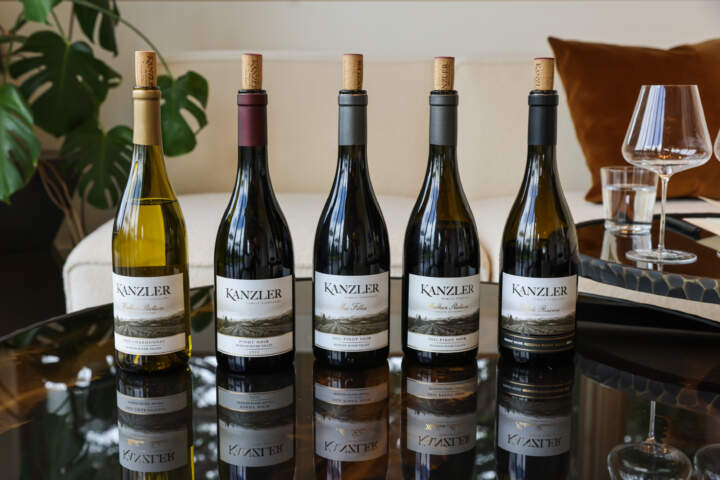
Our winter tastings follow the same structure as summer: you’ll taste through our portfolio, typically including:
- Our Chardonnay
- Russian River Valley Pinot Noir
- One Fifteen (clonal designate)
- Mes Filles
- Estate Reserve
What’s Different in Winter:
Barrel Samples: Depending on timing and what’s happening in the cellar, we might offer barrel samples – a chance to taste wine still in development, understanding how it will evolve before bottling.
Blending Discussions: We’re often in the midst of blending decisions during winter tastings. We can discuss which lots we’re considering combining, what characteristics we’re balancing, how we make these crucial decisions.
Library Wines: We have more time to pull special older vintages, showing you how our wines develop with age. This education in wine evolution is harder to accommodate during busy summer schedules.
Longer Conversations: Without back-to-back appointments, we can follow conversational threads wherever they lead. Curious about our organic farming? Want to discuss climate change impacts on viticulture? Interested in the history of Sebastopol Hills? We have time to explore these topics meaningfully.
Indoor and Outdoor Spaces
The Deck: On mild days (and Sebastopol has many even in winter), we may conduct part of your tasting on our deck overlooking the vineyard. There’s something magical about tasting wine surrounded by bare vines, understanding the cycle of dormancy and renewal.
Indoor Comfort: Cooler or rainy days mean we stay entirely indoors, where floor-to-ceiling windows still provide vineyard views. The experience is equally intimate, just cozier.
Vineyard Walks: We offer these year-round, but they’re optional in winter. If you’re dressed appropriately and weather cooperates, walking among dormant vines offers unique insights. If not, we can discuss vineyard details from the comfort of the tasting room.
Beyond Wine: Winter in Sebastopol
Your wine tasting is just part of a winter wine country day. Here’s what else awaits.
Sebastopol in Winter
The Town: Downtown Sebastopol doesn’t hibernate in winter. Coffee shops, restaurants, and the Barlow remain open and welcoming. In fact, locals love winter because they can enjoy their own town without summer crowds.
What’s Open:
- Coffee shops and cafes (full winter hours)
- Most restaurants (some reduce days, call ahead)
- The Barlow (artisan food and craft beverages)
- Antique shops and bookstores
- Grocery stores and provisions
Holiday Charm: If you visit in December, Sebastopol decorates for the holidays with a quirky local flair. The town’s famous metal art sculptures get seasonal accessories, and there’s a warm, community feel.
Winter Coast Visits
The Sonoma Coast is spectacular in winter – in some ways, more dramatic than summer.
What to Expect:
- Powerful waves and storm watching (thrilling, not frightening)
- Fewer visitors means you might have beaches to yourself
- Whale migration (December-April) offers potential sightings
- Bodega Bay restaurants and shops remain open
- Dramatic light for photography
20 Minutes from Kanzler: The coast makes an excellent afternoon adventure after morning wine tasting. Bundle up, bring binoculars, and experience the Pacific in its most powerful season.
Rocker Oysterfellers: Their famous clam chowder tastes even better on a cool winter day.
Cozy Evenings
Winter wine country evenings have their own magic.
Dinner Options:
- Underwood Bar & Bistro(Graton): Cozy bistro perfect for winter evenings
- The Redwood(Sebastopol): Intimate setting, seasonal menu
- Goldfinch(Sebastopol): Upscale comfort
Staying at the Kanzler Residence? Winter is ideal for cooking in. Pick up provisions at local markets, prepare dinner in the full kitchen, open one of our bottles, and enjoy the quiet luxury of dining in while surrounded by vineyard views. The deck has heaters, allowing for outdoor dining even on cool evenings.
Why Winter Might Be Your Favorite Season
Let us share what we’ve learned from years of hosting winter visitors.
It’s When We Get to Be Ourselves
Summer demands performance. With back-to-back appointments and high visitor volume, we’re “on” constantly – warm, welcoming, informative, but operating at a pace that leaves little room for the spontaneous conversations we most enjoy.
Winter lets us slow down. We can be more ourselves – thoughtful, contemplative, willing to explore tangents and dive deep into topics. For visitors who value authentic connection over efficient service, winter reveals the heart of who we are.
It’s Educational in Different Ways
Summer teaches about finished products – the wines as they’re meant to be experienced. Winter teaches about process – the patient work of blending, the decisions that shape wines, the annual cycle that makes viticulture fundamentally different from other agriculture.
If you’re the kind of person who wants to understand wine, not just drink it, winter offers insights that summer simply can’t provide.
It’s Romantic in the True Sense
We don’t mean romantic as in date-night roses. We mean romantic as in profound connection to place, seasonal awareness, the beauty of dormancy and rest.
There’s something moving about standing in a dormant vineyard, understanding that beneath your feet, vines are gathering energy for the explosive growth to come. The patience required in winemaking becomes tangible in winter in ways summer’s abundance obscures.
Planning Your Winter Visit
Ready to experience winter wine country? Here’s how to make it happen.
Best Times Within Winter
- December: Holiday energy, potential for seasonal decorations, often mild weather, occasional rain
- January: Quietest month, maximum intimacy, pruning activity visible in vineyards, best rates
- February: Spring begins emerging (bud break late in month), Valentine’s appeal, still uncrowded
Any of these months work beautifully. It’s more about personal preference than one being objectively better than others.
How Long to Stay
- Day Trip: Doable from San Francisco or Oakland (90 minutes), but you’ll feel rushed
- Overnight: Ideal minimum, allows for dinner and leisurely morning
- 2-3 Nights: Perfect for experiencing multiple wineries, coast, and Sebastopol without rushing
- Longer: The Kanzler residence works beautifully for extended winter stays – cozy up, slow down, truly disconnect
Building Your Itinerary
Sample Winter Weekend:
Day 1:
- Late morning arrival
- Lunch in Sebastopol (The Redwood or The Barlow)
- Afternoon tasting at Kanzler
- Explore downtown Sebastopol
- Dinner at Underwood Bar & Bistro
Day 2:
- Coffee and pastries from Wildflour Bread (Freestone)
- Drive to Sonoma Coast (Bodega Head or Goat Rock)
- Lunch at Rocker Oysterfellers (clam chowder!)
- Afternoon return, rest at accommodation
- Dinner at Goldfinch (Sebastopol)
Day 3:
- Leisurely breakfast
- Optional second winery visit
- Departure after lunch
Book Your Anchor: Reserve your Kanzler tasting first (this is your main event), then build around it. Everything else can be more spontaneous.
Where to Stay
The Kanzler Vineyard Residence: Winter is actually ideal for staying on our estate. The cozy residence, heated throughout, offers the ultimate wine country immersion. Wake to misty vineyard views, enjoy your private tasting without driving anywhere, cook cozy dinners in the full kitchen. Winter rates are more favorable than peak season, and availability is much better.
Other Options:
- Sebastopol Inn (walkable to downtown)
- Montage Healdsburg (luxury resort, 30 minutes)
- Various vacation rentals throughout the area
Common Questions About Winter Wine Tasting
Will wineries be open?
Yes! Most quality producers in Sebastopol operate year-round. We don’t shut down for winter – many of us prefer the season’s quieter pace. Always call ahead for specific days, especially around holidays, but expect normal operations.
What if it rains during my visit?
Sebastopol averages 8-10 rainy days per month in winter (not constant rain, but days with some precipitation). Tastings continue regardless – we simply stay indoors or under covered areas. The experience remains wonderful; you’re just cozier. Bring appropriate clothing and don’t let rain deter you.
Are vineyard walks still possible?
Yes, when weather permits. We offer them year-round, but they’re optional in winter. If conditions aren’t ideal (muddy, rainy), we can discuss everything from the comfort of the tasting room with vineyard views.
Will I see anything happening in the vineyard?
Potentially! Pruning happens throughout winter (December-March). You might see workers in the vineyard making these crucial cuts. Even if you don’t witness active work, understanding what’s happening during dormancy adds depth to your appreciation.
Are prices lower in winter?
Some accommodations offer lower rates in winter, and you’ll find easier reservation availability. Wine tasting fees remain consistent year-round, but the value increases dramatically due to the personalized attention possible in the quiet season.
The Truth About Winter Wine Country
Here’s what we want you to understand: winter isn’t a compromise or settling for less. It’s a different experience – in many ways, a deeper one.
If you need perfect weather, unlimited outdoor time, and vibrant green vineyard backdrops for photos, summer might suit you better. But if you value:
- Genuine conversations over quick transactions
- Understanding process over just tasting products
- Intimacy over efficiency
- Authenticity over performance
- Connection to the annual cycle of viticulture
Then winter isn’t just acceptable – it’s ideal.
The vines are resting. The winemakers have time to breathe. The land is gathering energy for the explosive growth to come. And you have the rare opportunity to experience wine country during this contemplative, patient, deeply meaningful season.
We’d be honored to share it with you.
Book your winter tasting at Kanzler Vineyards and discover why the quiet season might just be wine country’s best-kept secret. Check availability for December, January, and February appointments – intimate experiences await.
Planning an extended winter getaway? Our vineyard residence offers the perfect cozy home base, with lower winter rates and maximum availability. Wake up in the vineyard, enjoy your private tasting steps from your door, and experience the patient rhythms of winter wine country.
At Kanzler Vineyards, we’ve learned that every season offers its own gifts. Winter’s gift is time – time to talk, time to think, time to truly understand this place and the wines we craft here. Come experience the quiet season for yourself.