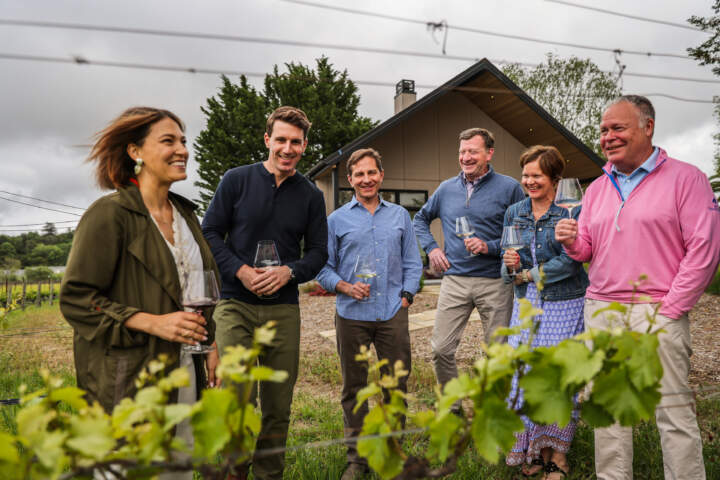
Some of the best wine country memories come from shared experiences. That trip with college friends who reconnected over a long weekend, the annual couples’ getaway that’s become a tradition, the milestone birthday celebration that everyone still talks about years later—something about good wine, beautiful surroundings, and people you love creates lasting connection that’s hard to replicate any other way.
But let’s be honest: group trips require more planning than solo or couple travel. Coordinating schedules across multiple households, finding accommodation that works for everyone, balancing different interests and preferences, managing the finances fairly—the logistics can feel overwhelming before you’ve even packed a bag. Many potential group trips die in the planning stage, defeated by the complexity of getting everyone aligned.
Here’s the good news: with some thoughtful planning and the right approach, group wine country trips can be easier than you think—and far more rewarding than traveling alone. The key is choosing the right destination and structure for your particular group, then addressing the common friction points before they become problems.
This guide covers everything you need to plan an exceptional multi-couple getaway to Sebastopol Hills, from choosing compatible travel companions to structuring your days to keeping everyone happy throughout the trip.
Why Wine Country Works for Groups
Wine country offers something that many destinations can’t: a natural structure for group togetherness that doesn’t require constant coordination or compromise. The destination itself provides the framework, freeing you to focus on enjoying each other’s company.
Built-In Activities
The basic framework of a wine country day—tastings, meals, time in beautiful settings—provides structure without rigidity. You don’t need to debate whether to hit the beach or the museum, whether to be active or relaxed, whether to seek culture or nature. The shared activity is already defined: you’re here for wine, for food, for the pleasures of this particular place. Everything else flows from that central purpose.
This shared focus actually reduces the coordination burden that makes many group trips stressful. Everyone agrees on the general plan; it’s just details to work out. Compare this to a group beach trip (active or lazy? kids’ activities or adult time?) or a city trip (museums or neighborhoods? shopping or sightseeing?) where fundamental disagreements about what to do can create tension. Wine country provides consensus by default.
Pacing That Works for Everyone
Good wine country trips aren’t rushed. Two or three tastings per day, leisurely meals, time to sit and talk—the natural pace leaves space for both group connection and individual downtime. Early risers can walk the vineyard or make coffee while others sleep in. Night owls can linger over a final glass while others turn in early. The rhythm accommodates different needs without creating conflict.
This flexibility matters enormously for groups. Different energy levels, different recovery needs, different ideas of vacation—wine country’s relaxed rhythm accommodates variety without anyone feeling like they’re compromising. There’s no pressure to keep up or wait around. The pace allows everyone to find their own groove within the shared experience.
Natural Conversation Catalyst
Wine creates conversation in a way few other activities can match. Comparing what you taste, sharing reactions, learning together, debating whether that’s blackberry or plum you’re detecting—these become natural bridges to deeper discussion. Friends who might normally stick to surface catch-up find themselves having more meaningful exchanges over a shared tasting flight. The wine gives you something to talk about when conversation lulls, and something to bond over when it flows.
Add beautiful settings, excellent food, and time away from the distractions of daily routines, and you have the ingredients for the kind of connection that strengthens relationships. There’s a reason so many friendships deepen over wine country weekends—the environment is almost engineered for meaningful conversation.
Choosing Your Group Wisely
Before diving into logistics, step back and consider who you’re traveling with. The right group makes everything easier; the wrong mix creates friction no amount of planning can resolve. This isn’t about excluding anyone—it’s about being thoughtful about compatibility for this particular type of trip.
Ideal Group Size
Three to four couples (six to eight people) tends to be the sweet spot for wine country groups. This size offers enough variety for interesting conversation—different perspectives, different expertise, different stories to share—while remaining manageable for reservations, transportation, and accommodation. You can sit around a single table, fit in one large vehicle, and find properties that house everyone comfortably.
Smaller groups work well too—two couples can travel more flexibly and make last-minute decisions easily. The intimate scale allows for deeper connection, though with less variety in conversation. Larger groups (five or more couples) require more advance planning and may need to split up for some tastings, as many small producers can only accommodate eight to ten people at once. Large groups also make logistics more complex: multiple vehicles, harder-to-find accommodation, more preferences to balance.
Compatibility Factors
Consider not just who you like, but who travels well together. Some questions worth thinking through before issuing invitations:
Similar budgets? Wine country trips can range from moderate to expensive depending on choices you make. Make sure everyone’s comfortable with anticipated spending levels—including accommodations, tastings, meals, and wine purchases. Nothing creates awkwardness faster than one couple feeling stretched while others order freely. Have a frank conversation about budget expectations before committing.
Compatible schedules? Early birds and night owls can coexist, but major differences in when people want to eat, leave for activities, or call it a night create friction over a multi-day trip. Discuss general expectations before committing. If one couple wants to be at the first tasting when doors open and another prefers leisurely mornings, you’ll need to acknowledge that difference upfront.
Shared interests beyond wine? If some members don’t drink or aren’t particularly wine enthusiasts, ensure there’s enough else to engage them—scenery, food, relaxation, outdoor activities, time with friends. Wine country offers plenty beyond wine, but non-drinkers need to feel the trip works for them too.
Drama-free dynamics? Avoid mixing couples with complicated interpersonal history or unresolved tensions. This sounds obvious, but trip planning enthusiasm sometimes overrides better judgment. A wine country weekend won’t heal old wounds—it’s more likely to expose them. Save yourself the stress and keep the guest list to genuinely harmonious relationships.
Accommodation Strategies
Where you stay shapes the entire trip experience. For groups, the right accommodation serves as home base, gathering space, and part of the wine country immersion itself. This decision deserves careful thought.
Shared House vs. Separate Hotel Rooms
The fundamental decision: share a house, or book separate hotel rooms? Each approach has genuine merits, and the right choice depends on your group’s preferences and dynamics.
Separate hotel rooms offer maximum privacy and independence. Everyone has their own space to retreat to, their own bathroom, their own schedule for getting ready. You come together for activities and meals, then return to separate domains. This works well for groups that want togetherness during activities but value separation otherwise, or for groups with varying sleep schedules, or when members don’t know each other well enough for house sharing.
A shared house creates community. Cooking together, morning coffee on the deck, late-night conversations that extend long past when a restaurant would kick you out, gathering in common spaces between activities—these moments don’t happen when everyone retreats to separate rooms at a hotel. The shared space becomes part of the experience, a setting for spontaneous connection that hotel stays can’t replicate. Some of the best group trip memories happen in the house, not at planned activities.
For most established friend groups, a well-chosen house offers the best of both worlds: private bedrooms with ensuite bathrooms provide retreat space when needed, while generous common areas enable the togetherness that makes group trips special.
What to Look For in Group Accommodation
When evaluating properties for your group, consider these factors:
Bedroom parity: Ideally, bedrooms should be roughly equivalent in size and amenities. No one wants to feel they drew the short straw and got the obviously inferior room. If perfect parity isn’t possible, be transparent about differences when planning and consider whether room assignments might create any tension.
Bathroom ratios: At minimum, one full bathroom per couple. Ensuite bathrooms for each bedroom eliminate morning conflicts and preserve peace. Shared bathrooms can work for close friends, but private bathrooms make everything easier.
Common space: A kitchen large enough to cook together (or at least prepare appetizers and breakfast), a dining area that seats everyone comfortably, living space where the whole group can gather without crowding. Outdoor space—deck, patio, yard—extends your options significantly and proves valuable in good weather.
Location: Proximity to your planned activities reduces daily driving and creates more relaxed days. Staying in or near wine country beats commuting from a distant city. Consider whether the property is actually in the region you want to explore or just marketed that way.
The Vineyard Stay Advantage
Staying on a working vineyard property transforms a wine country trip into genuine immersion. Instead of visiting wine country during the day and retreating to generic accommodation at night, you’re living in it around the clock. The experience extends beyond scheduled activities into the rhythms of the property itself.
At Kanzler, our estate residence offers exactly this for groups up to eight. The four-bedroom, five-and-a-half-bath home sits surrounded by our Pinot Noir vineyards—step outside and you’re among the vines that produce the wines you’ll taste during your stay. Morning coffee comes with vineyard views. Evening conversations happen on the deck overlooking rows of grapes stretching toward the hills. The setting becomes part of the experience rather than just a place to sleep.
A complimentary tasting for your group is included with your stay, so one of your wine experiences is already arranged—no additional booking required, no transportation logistics to sort out. And staying on the property means you can linger over that tasting without watching the clock or worrying about driving afterward. The tasting becomes part of your home base experience rather than an excursion.
For groups wanting true wine country immersion rather than just wine country visits, a vineyard property stay creates experiences that hotels and generic vacation rentals simply cannot match. You’re not staying near wine country—you’re staying in it.
Transportation Planning
Getting around wine country safely requires planning, especially when wine tasting is involved. This is one area where advance thought prevents day-of stress and keeps everyone safe.
Your Options
Self-driving with a designated driver works for groups with someone willing to limit their tasting each day. Rotate the duty across days so no one misses out entirely. The advantage: flexibility to adjust plans on the fly and lower overall cost. The disadvantage: someone always draws the short straw that day, and it takes discipline to actually rotate rather than letting the same person drive every time.
Hired transportation—whether a dedicated driver for your own vehicle, a wine tour company, or a luxury sedan service—lets everyone participate fully in every tasting. Costs add up, but so does the peace of mind. For groups where no one wants to be the sober driver, or where the cost can be easily split eight ways, this is the responsible and enjoyable choice. Many wine tour companies also offer insider knowledge about the region.
Rideshare services can work for shorter distances, though availability in wine country varies and surge pricing during peak times can be substantial. Don’t rely on rideshare as your only option, especially for getting home from evening activities. Have a backup plan.
The Proximity Advantage
Choosing accommodations close to your planned activities reduces transportation stress significantly. If your house is in the middle of the wine region you want to explore, each winery becomes a short trip rather than a major expedition. Less time in transit means more time enjoying the experience—and simpler logistics for whoever’s managing transportation.
Sebastopol Hills’ compact geography helps here. The region’s notable wineries cluster within a relatively small radius, meaning shorter drives between appointments even when you’re visiting multiple producers. Add a centrally located accommodation—like a property actually within the vineyards—and you minimize time on the road while maximizing time enjoying what you came for.
Structuring Your Days
The best group itineraries balance structure with flexibility. Too rigid, and the trip feels like a forced march through checkpoints. Too loose, and you spend half the time debating what to do next. The goal is a framework that creates shared experiences while leaving room for spontaneity and individual preferences.

The Two-Tasting Day
Two wine tastings per day is the right pace for most groups. This allows for a morning tasting, a leisurely lunch (which becomes an experience in itself rather than a rushed refueling stop), an afternoon tasting, and time to enjoy your accommodation and each other’s company. It’s enough activity to feel like you’re making the most of your trip without exhausting anyone.
A typical flow: late morning tasting (around 10:30 or 11:00), lunch in town or at a winery with food service, early afternoon tasting (around 2:00 or 3:00), back to your accommodation by late afternoon for rest, conversation, cooking dinner together, or heading out to a restaurant reservation. This pacing feels full without feeling frantic.
Resist the temptation to cram in more. You’re on vacation, not executing a military operation. The group members who wanted to relax will appreciate the breathing room, and even the more ambitious visitors will find that memories come from lingering conversations, not from a high winery count. Leave room for spontaneity—for the unexpected discovery, for the tasting that runs long because the conversation is good, for the detour to a beautiful viewpoint someone spotted.
Build in Flexibility
Plan core activities (tastings, important dinner reservations) but leave buffer time between them. Groups move slower than individuals—someone needs a bathroom break, someone wants a photo, the conversation at the last winery ran long and no one wanted to cut it short. These things happen, and they’re not problems unless you’ve scheduled too tightly.
Also consider building in at least one free morning or afternoon where nothing is scheduled. Individuals or sub-groups can do their own thing: sleep in, take a solo walk, explore downtown, read by the pool, catch up on messages from home. Coming back together afterward often makes the group time richer—you have something new to share, and you’ve had space to recharge.
Accommodate Different Interests
Not everyone wants identical experiences, and that’s fine. Build in options for variety without making anyone feel left out:
Make some tastings optional. One couple might want an extra appointment at a producer they’re particularly excited about while others prefer an afternoon at the house. Both choices are valid. You don’t all have to do everything together to have a successful group trip.
Suggest alternatives for non-wine activities: a hike to the coast, exploring downtown Sebastopol’s shops and galleries, spa time, a bike ride. Having options reduces pressure on anyone feeling over-wined or wanting a break from the central activity.
Mix up meal approaches—some group dinners at restaurants, some cooking together at the house, maybe one night of ordering in for a casual evening. Different formats create different energies and give variety across the trip.
Managing Group Dynamics
Even well-matched groups encounter friction over a multi-day trip. Different preferences emerge, minor annoyances accumulate, and the intimacy of shared space can create tension. A few strategies help keep things harmonious:
Clear Communication Upfront
Before the trip, establish expectations about costs (per-person estimate, how you’ll handle shared expenses versus individual purchases), schedule (what’s mandatory versus optional, when the day typically starts), and preferences (cooking in versus dining out ratio, activity level, how much downtime people need).
These conversations are easier before the trip than during it, when you’re already committed and any disagreement feels higher stakes. A quick group call or detailed email with the proposed plan and estimated costs prevents misunderstandings and gives everyone a chance to raise concerns before they become problems.
Simplify Finances
Nothing creates awkwardness faster than confusing or inequitable finances. Consider these approaches:
Pool funds upfront for shared expenses (accommodation, shared meals, transportation), then settle individual purchases (wine buying, personal tasting fees at add-on wineries) separately. This keeps the accounting simple and prevents constant nickel-and-diming throughout the trip.
Use payment apps to split costs easily. Designate one person to handle shared purchases and track everything, then settle up at the end rather than after every transaction. This is simpler than trying to split checks at every stop.
For significant cost differences (someone brought their own car, someone flew first class, one couple arrived early and stayed an extra night), acknowledge that not everything needs to be split equally. Some costs are individual choices, not group expenses.
Respect Different Paces
Some people want to be going constantly—they’re on vacation and want to maximize every moment. Others need quiet time to recharge, especially over a multi-day trip. Neither preference is wrong. Build a trip that works for both by including optional activities and protected downtime.
It’s okay for sub-groups to split up sometimes. Two couples going to an extra tasting while the others rest at the house isn’t abandonment or poor planning—it’s smart group management. The goal is for everyone to have a great trip, not for everyone to do identical activities. Reconvening for dinner with stories to share often makes the evening better than if everyone had spent the whole day together.
Why Sebastopol Hills for Your Group
Sebastopol Hills offers particular advantages for group wine country trips:
Intimate scale: Small family wineries provide personal attention that larger regions can’t match. Your group isn’t competing with tour buses for time and attention. Tastings feel like genuine hospitality rather than processing tourists through a queue. This intimacy makes the experience more memorable and more meaningful.
Compact geography: Excellent producers cluster within a small area, meaning shorter drives between appointments. Less time driving means more time enjoying the experience, less complicated transportation logistics, and easier coordination for groups.
Quality over quantity: The region’s focus on premium Pinot Noir means consistent quality across tastings. You’re not weeding through mediocre options to find the good stuff. Every producer you visit is doing serious work with serious wines. This simplifies planning and reduces the risk of disappointing stops.
Relaxed atmosphere: Sebastopol’s laid-back character extends to its wine country. This isn’t a scene to be seen in; it’s a place to genuinely relax and enjoy. The vibe works well for groups seeking actual connection rather than Instagram moments.
Accommodation options: Properties like our estate residence offer group-sized accommodations actually within the vineyards—true wine country stays rather than just proximity. The immersion enhances the entire trip.
Make It Happen
Group wine country trips require more planning than solo travel, but they reward the effort with experiences you couldn’t have alone. The shared discoveries, the meals cooked and enjoyed together, the conversations that happen when you’re away from normal life—these become lasting memories. Years later, you’ll still be talking about that trip, still referencing inside jokes from that long dinner, still opening bottles purchased together and remembering where you were when you first tasted them.
Sebastopol Hills offers the ingredients for an exceptional group getaway: world-class wines, intimate experiences, beautiful settings, and accommodations that bring everyone together. Add thoughtful planning and the right travel companions, and you have a trip worth repeating—maybe even making into a tradition.
At Kanzler, we love hosting groups at our estate residence. Watching friends discover our wines together, share meals on the deck overlooking the vineyard, and leave with both bottles and memories—that’s what hospitality means to us. The house comes alive with groups in a way it doesn’t with smaller parties. The conversations, the laughter, the connection—it’s what this property was made for.
Start planning. Gather your people. The best group trips begin with someone taking initiative—why not you?
Ready to plan your group getaway? Explore our estate residence—a four-bedroom home surrounded by our Pinot Noir vineyards, perfect for three to four couples seeking an immersive wine country experience. Your stay includes a complimentary private tasting for your group.
At Kanzler Vineyards, we believe wine is better shared. We look forward to welcoming your group to our estate.