
Alex Kanzler prepares for a tasting at Kanzler Vineyards in Sebastopol, Calif., on Monday, May 12, 2025.
If you’ve never visited wine country before, the prospect can feel surprisingly intimidating. Will you know what to say? What if you don’t like what they pour? Is there a dress code? How much should you tip? What if you can’t tell the difference between the expensive bottle and the cheap one?
Here’s a secret that experienced wine lovers know: everyone started somewhere. The person confidently swirling their glass and commenting on tannin structure was once a first-timer too. And the truth is, most of those swirling, commenting experts still have moments of uncertainty—they’ve just learned that wine country is more forgiving than it appears.
This guide is for anyone planning their first wine country visit, particularly to Sebastopol Hills in Sonoma County. We’ll cover everything from the practical logistics to the unwritten etiquette, from what to expect at a tasting to how to make the most of your time. By the end, you’ll have everything you need to plan a trip that feels comfortable, enjoyable, and genuinely enriching—regardless of how much you currently know about wine.
Why Sebastopol Hills for Your First Wine Country Visit
Not all wine regions offer the same experience for first-time visitors. Some feel overwhelming—sprawling, crowded, with hundreds of options and no clear place to start. Others feel exclusive, as if you need credentials just to walk through the door.
Sebastopol Hills offers something different: intimacy without pretension. This small sub-region within the Russian River Valley is home to family wineries that have been farming the same land for generations. The scale is human—you won’t encounter tour buses or velvet ropes. Instead, you’ll find people who genuinely love what they do and want to share it with you.
The region’s focus on Pinot Noir also works in your favor. Rather than navigating dozens of grape varieties, you can develop familiarity with one varietal expressed across different vineyards and winemaking styles. It’s an education in terroir—how place shapes wine—without the complexity of comparing entirely different grapes.
Perhaps most importantly, the wineries here tend to be genuinely welcoming. Staff have time to talk, to answer questions, to adjust the experience to your interests. You’re not being processed through a tasting room; you’re being hosted by people who care whether you have a good time.
What to Expect at a Wine Tasting
The mechanics of a wine tasting are simpler than many first-timers expect. Understanding the basic flow helps you relax and focus on the actual experience rather than worrying about protocol.
The Basic Flow
You’ll typically be greeted and shown to a tasting space—this might be a bar, a table, or chairs arranged around a view. Your host will explain what you’ll be tasting that day: usually four to six wines, moving from lighter to fuller-bodied, or from younger to older vintages.
For each wine, your host will pour a small amount—typically one to two ounces—and tell you something about it: where the grapes came from, how it was made, what makes it distinctive. You’ll look at the wine, swirl it (this releases aromas), smell it, and taste it. Your host may share tasting notes—descriptors like “cherry” or “spice” or “earth”—but there’s no requirement that you taste the same things they do.
Between wines, you might be offered water or a small bite of food to cleanse your palate. You’ll typically have the opportunity to ask questions, though this varies by winery. At the end, you’ll usually have the chance to purchase wine if you’d like—but this is never required.
What You Don’t Need to Know
You don’t need to know anything about wine to enjoy a tasting. Really. The point is to taste and learn, not to demonstrate existing knowledge. The best tasting room staff love curious beginners because they can share what they know without assumptions about what you’ve already learned.
You don’t need to identify specific flavors or use wine terminology. “I like this one” or “This tastes different from the last one” are perfectly valid observations. Your palate is yours—whatever you taste is what you taste, and no one can tell you you’re wrong about your own sensory experience.
You don’t need to finish every pour. Tasting rooms provide dump buckets specifically for wine you don’t want to drink. Using them isn’t rude—it’s normal practice, especially if you’re visiting multiple wineries and want to stay sharp.
You don’t need to buy anything. While purchasing wine supports the wineries you visit, no reputable establishment will pressure you. If something moves you, great—buy it. If nothing does, that’s fine too.
Asking Questions
The best wine tastings are conversations, not lectures. Don’t hesitate to ask questions—even basic ones. “What makes Pinot Noir different from other red wines?” “Why does this one taste so different from the last?” “What food would you serve with this?” These are all great questions that can lead to interesting discussions.
If something in the tasting notes doesn’t make sense to you, ask about it. “You mentioned this has notes of forest floor—what does that mean exactly?” Tasting room staff are usually delighted to explain, and you’ll learn more from one real question than from nodding along to terminology you don’t understand.
At Kanzler, we love questions. We’d rather spend time helping you understand what you’re tasting than rush through a scripted presentation. The questions first-timers ask often lead to our best conversations—because they’re coming from genuine curiosity rather than assumptions about what they’re supposed to already know.
Planning Your Visit
A successful wine country visit requires some advance planning. Here’s what you need to know:
Booking Appointments
Most Sebastopol Hills wineries require appointments. This isn’t pretension—it’s how small producers ensure they can give you proper attention. A family winery with limited staff can’t accommodate walk-ins the way a large commercial operation can. By booking ahead, you’re guaranteed dedicated time and a host who’s prepared for your visit.
Book at least one to two weeks ahead for weekday visits, and two to three weeks for weekends. During peak season (September through November), book even earlier. Most wineries have online booking systems, though some prefer phone reservations for groups or special requests.
When booking, mention if it’s your first wine country visit. Many wineries will adjust their approach to be more educational. At Kanzler, we love hosting first-timers—knowing this in advance helps us create an experience that builds your understanding rather than assuming prior knowledge.
How Many Wineries to Visit
Less is more, especially for your first visit. Two tastings per day is plenty—three at most. This pace allows you to actually absorb what you’re learning, to linger over conversations, and to enjoy the experience without rushing.
Remember that you’ll be tasting multiple wines at each stop. Two tastings of five wines each means ten wines in a day—more than enough to experience the range of what the region offers. Trying to visit more wineries doesn’t mean you’ll learn more; it usually means you’ll remember less.
Build in time for lunch—a real meal, not just tasting room snacks. This breaks up the day, gives your palate a rest, and ensures you’re pacing yourself appropriately. The region has excellent restaurants that showcase local ingredients, making lunch a highlight rather than an afterthought.
Timing Your Day
A comfortable schedule might look like: late morning tasting (10:30 or 11:00), leisurely lunch (noon to 1:30), early afternoon tasting (2:00 or 2:30), return to your accommodation by late afternoon. This leaves time for dinner without feeling rushed, and ensures you’re not still tasting as evening approaches.
Allow at least an hour and a half for each tasting appointment, even if the winery says an hour. Conversations often run longer, and you don’t want to feel rushed or worry about making your next appointment. The point is to enjoy the experience, not to maximize throughput.
If you’re staying overnight, consider saving your most anticipated winery for the second day. By then you’ll have some experience under your belt, you’ll know what questions to ask, and you’ll be better prepared to appreciate what makes that particular producer special.
Getting Around Safely
This is where planning matters most. You’ll be tasting wine all day—driving yourself between appointments isn’t safe or responsible. Figure out your transportation before you book your tastings.
Options include: a designated driver who limits their tasting and stays sober; a hired car service or wine tour company; or staying within walking distance of your first tasting and arranging rides from there. Rideshare services exist in wine country but can be unreliable—don’t count on them as your only option.
The best solution for many first-timers is to stay on a vineyard property. At Kanzler, guests staying in our estate residence can do their first tasting without going anywhere—simply walk from the house to our tasting space. This eliminates logistics for at least one experience and lets you end your day without worrying about getting back.
What to Wear
Wine country dress codes are more relaxed than many people expect. This isn’t a formal occasion—it’s a farm visit.
Dress comfortably in layers. Mornings can be cool, especially with coastal fog, while afternoons warm up. A light jacket or sweater you can remove works well. Avoid heavy perfume or cologne—strong scents interfere with your ability to smell wine and may bother other guests.
Wear comfortable shoes. Some tastings involve walking through vineyards or standing for extended periods. Heels and dress shoes aren’t necessary and may be impractical if you end up on unpaved surfaces. Clean, casual shoes—something between flip-flops and formal—work well.
Sebastopol Hills is casual by wine country standards. Jeans are perfectly appropriate. Nice shorts work in warm weather. Think “smart casual” rather than “country club.” You want to feel comfortable, not costumed.
Etiquette and Common Questions
Many first-timers worry about making etiquette mistakes. Here are answers to the most common concerns:
Do You Tip at Tastings?
Tipping practices vary by winery. At casual tasting bars, tips are often appreciated. At private, seated tastings with dedicated hosts, tipping is less common—think of it more like a restaurant experience where you wouldn’t tip the sommelier for presenting a wine list.
If you’re unsure, watch what others do or ask. When in doubt, a modest tip ($5-10 per person) at casual tastings is always appreciated but never required. At Kanzler, where tastings are private experiences, tipping isn’t expected—though we always appreciate when guests share their experience by leaving reviews or referring friends.
Is It Rude to Use the Dump Bucket?
Not at all. Dump buckets exist for this purpose. Professionals at wine events rarely finish every pour—they taste and spit or dump the rest. For visitors tasting multiple wines across multiple stops, dumping wine you’ve already evaluated is completely normal and actually shows sophistication about pacing yourself.
That said, there’s no pressure to use the dump bucket either. If you want to finish every pour because you’re enjoying them, that’s fine too. Just be aware of how much you’re consuming across the day.
Do You Have to Buy Wine?
No. Tasting fees exist partly to compensate wineries for tastings that don’t lead to purchases. Many wineries waive the tasting fee with a minimum purchase, but this shouldn’t create pressure—it’s simply how they structure their pricing.
That said, if you genuinely enjoy something, buying a bottle or two is a nice way to support the winery and take the experience home with you. First-timers often find they’ve developed new preferences they didn’t know they had—which can make wine purchases particularly meaningful.
What If You Don’t Like Something?
That’s completely fine. Not every wine suits every palate. A polite “this isn’t quite my style” or simply moving on without comment is perfectly acceptable. Good tasting room staff won’t take offense—they know their wines aren’t for everyone.
You can even share what you don’t like about it: “This is more tannic than I usually prefer” or “I tend to like fruitier wines.” This kind of feedback helps your host steer you toward wines you’re more likely to enjoy. The goal is finding wines you love, not pretending to love everything.
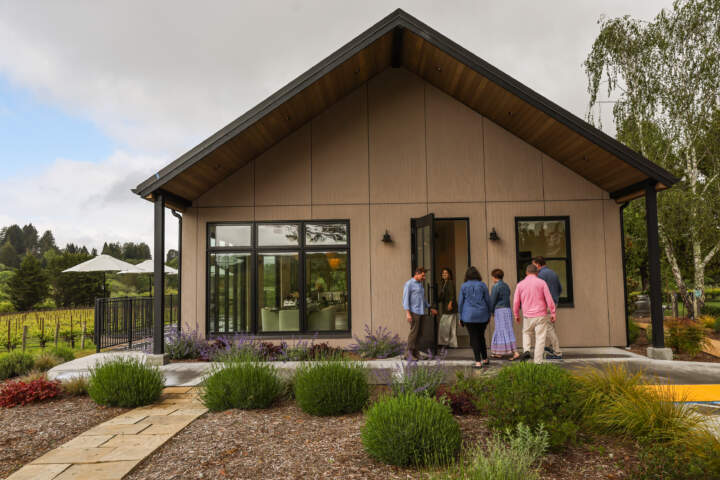
People enter the tasting room at Kanzler Vineyards in Sebastopol, Calif., on Monday, May 12, 2025.
Making the Most of Your Visit
Beyond the logistics, here’s how to get the most from your first wine country experience:
Stay Curious
The best first-time visitors are the curious ones—people who ask questions, try things outside their comfort zone, and approach the experience with openness. You don’t need expertise; you need interest.
If something surprises you, say so. If you taste something you’ve never experienced before, explore it. If the host mentions something that sparks your curiosity, follow up. These moments of genuine engagement are what make wine country visits memorable.
Take Notes (If You Want)
After several tastings, wines start to blur together. A quick note on your phone—just the name and your impression—helps you remember what you tried and what you thought of it. This is especially useful if you want to reorder something later.
You don’t need to write detailed tasting notes unless that appeals to you. Even simple notes like “loved this one—dark fruit, smooth” or “interesting but too oaky for me” are enough to jog your memory later.
Connect Wine to Place
Wine country visits offer something you can’t get from a wine shop: context. When you taste a wine while looking at the vineyard where its grapes grew, something clicks. The wine becomes more than liquid in a glass—it becomes a product of this specific place, these specific decisions, this family’s work.
Ask to see the vineyard if possible. Learn something about the soil, the climate, the farming approach. These details deepen your appreciation and help you understand why wines from different places taste different—the foundation of wine knowledge.
Consider Staying Overnight
Day trips work, but overnight stays transform the experience. Staying in wine country means you wake up here, end your day here, experience the place at different times. There’s something about having your morning coffee while looking at vines that shifts how you relate to the region.
For first-timers especially, staying overnight removes pressure. You don’t need to rush back for a long drive. You can have wine with dinner without worrying about getting home. You can process what you’ve learned rather than immediately leaving.
At Kanzler, our estate residence offers this immersion fully. Stay on a working vineyard, walk among the vines, taste our wines steps from where you’re sleeping. It’s the kind of introduction to wine country that creates lasting connection.
Your First Visit to Kanzler
At Kanzler Vineyards, we’ve hosted countless first-time wine country visitors. We know the questions you might not ask because you’re worried they’re too basic. We know the anxiety that comes from feeling like you’re supposed to know more than you do. And we know that the best wine experiences start from wherever you are, not from where you think you should be.
Our tastings are private—you won’t be competing for attention with other groups or feeling rushed to make room for the next appointment. We pour five wines, all grown here in Sebastopol Hills, and take time to explain what makes each one distinctive. Questions are welcomed, encouraged, expected.
We’re a family winery that’s been farming this land for generations. When you visit, you’re not just tasting wine—you’re seeing the vineyard it came from, meeting the family that grew and made it, understanding the connection between this place and what ends up in your glass. That context is what wine country visits are really about.
If you’re planning your first wine country visit, we’d be honored to be part of it. Whether you can tell Pinot from Merlot or couldn’t identify any grape variety at all—it doesn’t matter. What matters is curiosity, openness, and a willingness to discover something new.
Ready to plan your first visit? Book a tasting at Kanzler Vineyards for a private, welcoming introduction to Sebastopol Hills wine. Or stay on the estate for the full immersion experience—wake up surrounded by the vines that make our wines.
Everyone starts somewhere. We’d love to be part of where you begin.