Sebastopol Hills Pinot. Vineyard by Vineyard.
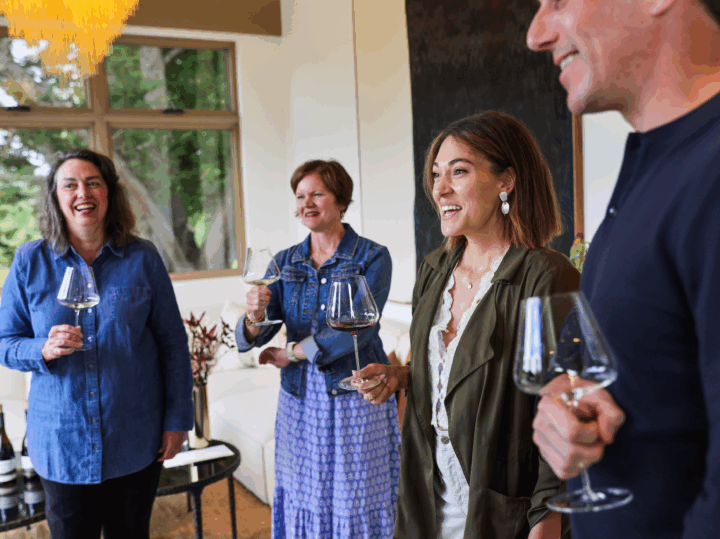
If you’re planning wine tasting in Sonoma County, you’ve likely heard of Russian River Valley, Dry Creek, and Alexander Valley. But there’s a quieter corner of wine country that serious Pinot Noir enthusiasts have been discovering: Sebastopol Hills.
This isn’t the Sonoma of tour buses and tasting room crowds. Sebastopol Hills remains refreshingly intimate—a collection of small family producers, most by appointment only, creating wines that reflect one of California’s most distinctive cool-climate terroirs.
As a family that’s farmed here for decades, we’re often asked which wineries visitors should include on their itinerary. It’s a question we love answering—not because we want to direct traffic away from our own tasting room, but because we genuinely believe exploring the neighborhood makes everyone’s experience richer. When you understand what makes this place special, every wine you taste here means more.
Here’s our honest guide to visiting Sebastopol Hills wine country.
What Makes Sebastopol Hills Different
Before diving into specific recommendations, it helps to understand why this particular patch of Sonoma County produces such distinctive wines. The more you know about what makes Sebastopol Hills unique, the more you’ll appreciate what you’re tasting when you visit.
The Climate
Sebastopol Hills sits in the western reaches of Russian River Valley, closer to the Pacific than most Sonoma wine regions. That proximity matters enormously. Marine fog rolls through the Petaluma Gap most mornings, keeping temperatures significantly cooler than areas just a few miles inland.
This climate creates ideal conditions for Pinot Noir—the grape that defines the region. Cool temperatures allow slow, even ripening while preserving the bright acidity that gives great Pinot its energy and aging potential. The wines here tend toward elegance rather than power, with red fruit character and a sense of place that’s unmistakable once you learn to recognize it.
The diurnal swing—the difference between daytime highs and nighttime lows—also plays a crucial role. Warm afternoons allow grapes to develop flavor and complexity, while cool nights preserve freshness. This daily rhythm, repeated throughout the growing season, produces wines with both depth and vibrancy.
The Scale
Unlike more developed wine regions, Sebastopol Hills remains dominated by small family operations. Many producers here farm their own vineyards and make wines in quantities measured in hundreds of cases rather than thousands. This scale means something: the person pouring your wine might well be the person who pruned the vines and sorted the grapes.
It also means most tasting experiences require appointments. This isn’t pretension—it’s practicality. Small teams can’t staff open tasting rooms all day, but they can offer genuinely personal experiences when you schedule time together.
The appointment model actually benefits visitors. Instead of competing for a bartender’s attention at a crowded counter, you receive dedicated time with someone who knows the wines intimately. Questions get answered thoroughly. Stories get told. You leave understanding not just what you tasted but why it tastes that way.
The Community
There’s a neighborly quality to Sebastopol Hills that visitors often notice. Winemakers here know each other, share equipment and knowledge, and genuinely root for one another’s success. When we recommend other producers, it’s because we’ve tasted their wines, walked their vineyards, and believe in what they’re doing.
This collaborative spirit extends to visitors. Ask any winemaker here for recommendations, and you’ll get honest suggestions—not competitive dismissals. The shared belief is that a rising tide lifts all boats: the more people who discover Sebastopol Hills, the better for everyone farming here.
Many of us are working to establish Sebastopol Hills as a recognized American Viticultural Area—an official designation that would acknowledge what we already know: this place is special, distinct from the broader Russian River Valley, and worthy of recognition on its own terms.
Planning Your Visit
Before we get to specific wineries, some practical guidance for making the most of your time here.
Book Ahead
This bears repeating: most Sebastopol Hills wineries require appointments. Some have limited availability, especially on weekends. Planning two to three weeks ahead isn’t excessive—it’s how you ensure you actually get to visit the places you want to experience.
The upside of this system: when you arrive, you’re expected and welcomed. No waiting in lines, no competing for attention, no feeling rushed to make room for the next group. Your tasting time is yours.
When booking, don’t hesitate to mention any particular interests—specific wines you’re hoping to try, questions about winemaking, desire to see the vineyard. Many producers will customize your experience based on what you share.
Quality Over Quantity
Two wineries per day is plenty in Sebastopol Hills. These aren’t quick pour-and-go experiences—they’re opportunities to genuinely engage with place, people, and wine. Rushing through multiple appointments defeats the purpose of visiting a region that rewards slow appreciation.
A typical tasting here runs 60 to 90 minutes, sometimes longer if conversation flows naturally. Factor in travel time between appointments—these are country roads, not highways—and you’ll see how quickly a day fills with just two thoughtfully chosen visits.
Build in time for lunch in downtown Sebastopol, a walk if weather permits, or simply sitting with a glass and a view. The wines here taste better when you’re not exhausted from cramming in too much.
Consider the Season
Sebastopol Hills is beautiful year-round, but different seasons offer different experiences.
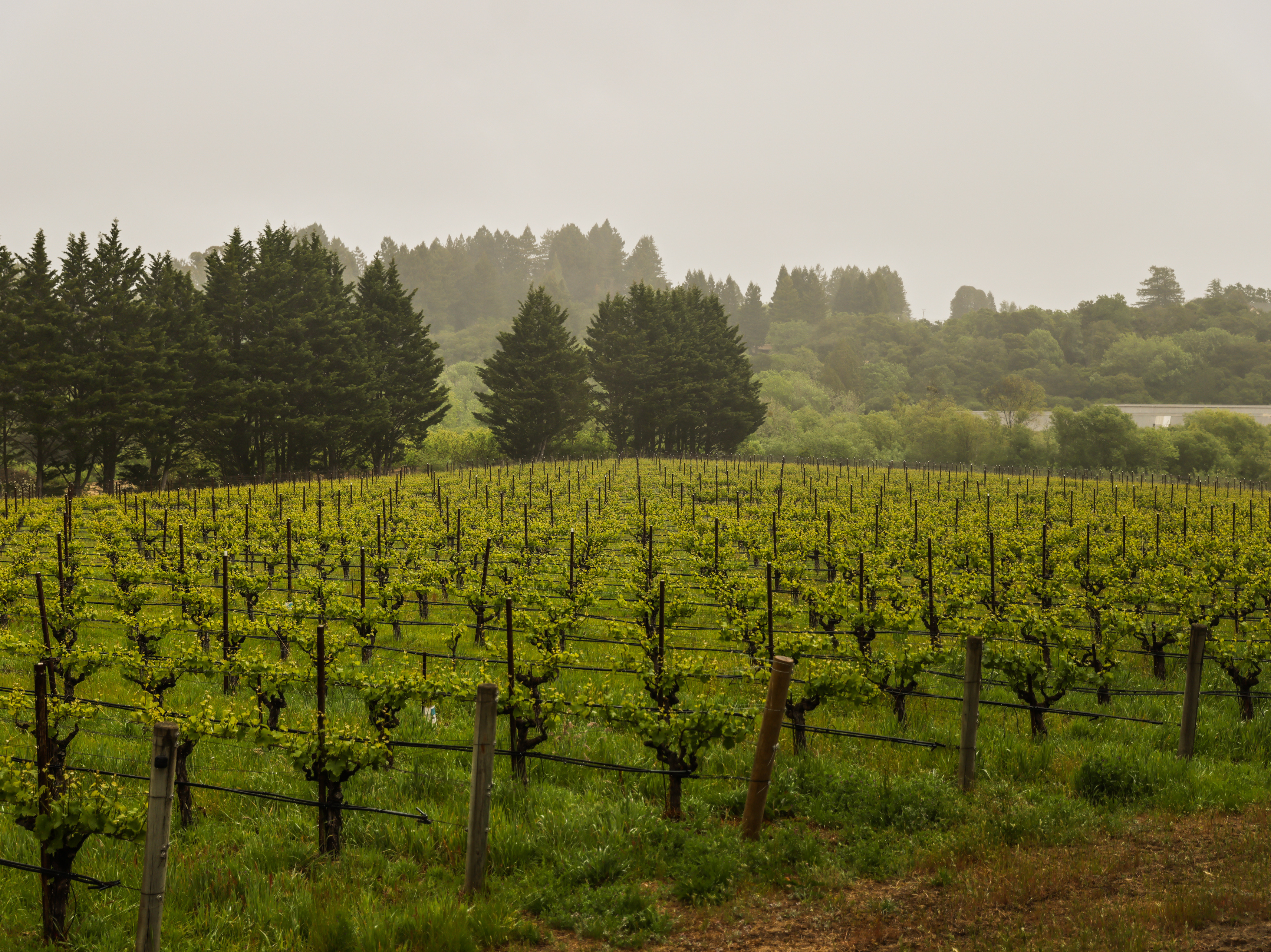
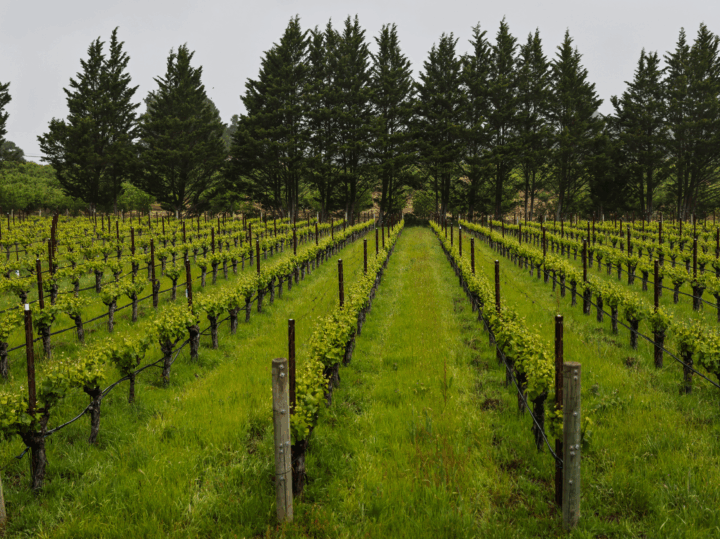
Spring (March through May) brings wildflowers and new vine growth. The hills turn impossibly green after winter rains, and the first tender shoots emerge on vines that looked dead just weeks before. Winemakers are often in the vineyard during this season, managing growth and watching for frost.
Summer (June through August) offers lush green vineyards and warm afternoons, though mornings often stay cool and foggy—bring layers. Grapes are developing on the vine, and you can watch the fruit progress toward harvest.
Fall (September through November) means harvest energy and changing colors. This is the most exciting time to visit if you want to see winemaking in action, though it’s also when winemakers are busiest and sometimes hardest to catch for leisurely conversation.
Winter (December through February) provides the quietest, most intimate visits. Bare vines create stark beauty against moody skies, and winemakers often have more time to talk. It’s also when cellar work happens—ask about barrel tastings if you visit during these months.
There’s no wrong time to visit, but knowing what each season offers helps set expectations.
Wineries Worth Your Time
Rather than ranking wineries—an exercise that says more about personal preference than objective quality—we’ve organized recommendations by the type of experience you might be seeking. Different visitors want different things, and Sebastopol Hills can accommodate a range of interests.
For Estate Vineyard Experiences
If tasting wine while overlooking the actual vines that produced it matters to you, seek out estate producers—wineries that grow their own grapes on the property where you’re tasting.
This connection between tasting room and vineyard isn’t just romantic—it’s educational. When you can see the soil, the slope, the exposure to sun and fog, you understand the wine differently. Abstract concepts like “terroir” become concrete when you’re standing in the vineyard that shaped what’s in your glass.
At Kanzler Vineyards, our tastings take place overlooking 20 acres of estate Pinot Noir. You’ll taste five wines—a Chardonnay and four distinct Pinot Noirs—while looking at the very vineyard blocks that produced them. It’s a private, hosted experience that connects wine to place in ways that tasting rooms removed from vineyards simply can’t match.
Several other Sebastopol Hills producers offer similar estate experiences. When booking, ask specifically whether you’ll be tasting at a vineyard property—the answer significantly shapes the experience.
For Winemaker Interaction
One advantage of small-production wineries: you might actually meet the person who made your wine. This isn’t guaranteed—winemakers have vineyards to tend and cellars to manage—but it happens with surprising frequency in Sebastopol Hills.
If meeting winemakers matters to you, mention it when booking. Some producers can arrange visits when the winemaker will be present; others can at least tell you when that’s most likely. Harvest season (September through November) is typically the busiest and least predictable for winemaker availability, while winter and early spring often offer more flexibility.
Even when the winemaker isn’t present, small wineries typically have knowledgeable staff who can answer detailed questions. The person pouring might be a family member, a long-time employee who’s worked multiple harvests, or someone training to make wine themselves. You’re rarely far from genuine expertise.
For First-Time Wine Country Visitors
If you’re relatively new to wine tasting, Sebastopol Hills offers an ideal introduction. The appointment-only model means you won’t feel overwhelmed by crowds or rushed through experiences. The focus on Pinot Noir provides coherence—you’re learning about one grape expressed through different vineyards and winemaking approaches rather than jumping between wildly different varieties.
Look for wineries that emphasize education in their tasting descriptions. Many Sebastopol Hills producers genuinely enjoy introducing people to wine, explaining what they’re tasting and why, without any pretension about what you should or shouldn’t already know.
Don’t be afraid to ask basic questions. How is Pinot Noir different from other red wines? What does “cool climate” mean? Why does this wine taste different from that one? Good hosts welcome these questions—they’re opportunities to share knowledge and deepen your appreciation.
For Serious Collectors
Experienced wine collectors often discover Sebastopol Hills after exhausting more famous regions. What they find: wines of genuine distinction that haven’t yet reached the prices or allocation waitlists of more hyped areas.
If you’re building a cellar, ask about vertical tastings (multiple vintages of the same wine), library wines, and aging potential. Producers here are generally happy to discuss how their wines evolve—many have been making wine long enough to have real data on how bottles develop over decades.
Also ask about allocation lists. Many Sebastopol Hills wines sell primarily through direct membership, meaning the tasting room visit might be your only opportunity to purchase certain bottlings. If you taste something exceptional, buying it then ensures you actually get it—waiting often means missing out.
Beyond the Tasting Room
A wine country visit is more than just tastings. Here’s how to round out your Sebastopol Hills experience.
Downtown Sebastopol
The town of Sebastopol offers something increasingly rare in wine country: genuine local character. This isn’t a town that exists to serve tourists—it’s a real community with excellent restaurants, independent shops, and a slightly bohemian sensibility that sets it apart from more polished wine country towns.
For lunch between tastings, you’ll find farm-to-table options that showcase the same local-first philosophy as the wineries. The restaurants here take their ingredients as seriously as winemakers take their grapes—seasonal menus, local sourcing, careful preparation.
Wander the main street and you’ll discover bookstores, antique shops, and galleries worth browsing. The Sunday farmers market draws both locals and visitors with exceptional produce and prepared foods. It’s a town that rewards exploration without agenda.
The Sonoma Coast
Sebastopol sits just 20 minutes from the Pacific Ocean—close enough for an afternoon detour. Bodega Bay offers fresh oysters and seafood. The coastal bluffs provide dramatic scenery and excellent hiking. On clear days, you can watch for whales during migration season.
The coastal connection also explains the wines. That marine influence you’ll hear winemakers discuss isn’t abstract—drive 20 minutes west and you’re standing in the fog bank that shapes every vintage. Understanding this geography deepens appreciation for what makes Sebastopol Hills wines distinct.
Where to Stay
Sebastopol offers several lodging options, from downtown inns to vacation rentals in the surrounding countryside. For the deepest wine country immersion, consider staying on a vineyard property—waking up surrounded by vines transforms a visit from day trip to genuine escape.
At Kanzler, our estate residence offers exactly this: a private four-bedroom home surrounded by our vineyards, with complimentary tasting included. You’re not just visiting wine country—you’re living in it, if only for a few days. Morning coffee on the deck overlooking vines, evening walks through the vineyard, the rhythm of the estate becoming temporarily your own.
Making the Most of Your Experience
A few final thoughts on getting the most from your Sebastopol Hills visit:
Ask Questions
The people pouring wine in Sebastopol Hills generally love talking about what they do. Ask about farming practices, winemaking decisions, vintage variation, food pairings—whatever genuinely interests you. There are no stupid questions, and the answers often reveal dimensions of the wine you’d never discover on your own.
Also ask for recommendations. Where else should you visit? Where should you eat? What should you know about the region that isn’t in any guidebook? Locals know things that travel websites don’t, and most are happy to share.
Take Notes
By your third tasting, wines start blurring together. Brief notes—even just a few words per wine—help you remember what you loved and why. Many wineries provide tasting sheets; use them. When you’re home deciding what to order, those notes become invaluable.
Notes don’t need to be technical. “Loved this one—bright and fresh” tells you more than you might think when you’re reviewing options later. “Want to age” or “drink now” helps with cellar decisions. Even “my favorite of the day” narrows choices when everything seemed good in the moment.
Buy What You Love
Small-production wines often sell out. If you taste something special, purchase it while you can. The “I’ll order it later” approach frequently ends in disappointment when that wine is no longer available.
Shipping wine home is easier than you might think—most wineries handle logistics regularly and can advise on timing (avoiding summer heat, for instance). Many also offer club memberships that ensure future access to wines you might otherwise miss.
Plan to Return
One visit can only scratch the surface of what Sebastopol Hills offers. Different seasons reveal different aspects of the region. Return visits to favorite wineries deepen relationships and let you track how wines evolve vintage to vintage. The best wine country experiences build over time—each visit adding layers to your understanding and appreciation.
Why We Share This Guide
You might wonder why a winery would direct visitors to other producers. The answer is simple: we believe in this place.
Sebastopol Hills isn’t yet a household name in wine, though we believe it should be. The wines produced here rival anything in California for quality and distinctiveness. The experiences available—intimate, personal, connected to land and family—represent what wine country visits should be but increasingly aren’t elsewhere.
When visitors discover multiple producers they love here, they come back. They tell friends. They develop appreciation for what makes this region special. That’s good for everyone farming these hills—including us.
Our family has been part of this community for decades. We were among the first to plant vines in Sebastopol Hills and have watched the region develop into something remarkable. Sharing what we know about visiting here feels less like marketing and more like hospitality—welcoming you to a place we love and want you to love too.
So visit widely. Taste thoughtfully. Ask questions everywhere you go. And when you’re ready to experience what we do at Kanzler—estate-grown Pinot Noir, private tastings overlooking the vines, maybe even a stay on the property—we’ll be here, happy to share our corner of Sebastopol Hills with you.
Ready to start planning? Book a tasting at Kanzler Vineyards for a private estate experience overlooking our Pinot Noir vineyards. Or explore our vineyard residence for the ultimate Sebastopol Hills immersion.
At Kanzler Vineyards, we’re proud to be part of this remarkable neighborhood. We look forward to welcoming you to our estate—and to Sebastopol Hills.